


Demerara

Eliza Junor, born 1804, Demerara, died Fortrose, 1861; daughter of Hugh Junor, slave owner from the Black Isle, and an unknown mother, probably a slave, or a ‘free coloured’ woman. Died Fortrose, 1861; won a prize for penmanship at Fortrose Academy.
I’ve learned my letters well – my copperplate masts and sails
flow across the page, like the ship that carried us here,
my brother and me, to our father’s land, the Black Isle
of white people, where I’m glad no cane grows;
my mother always said I had a way with words –
Demerara – River of the Letterwood, its banks of trees
with bark like hieroglyphics, a whisper in my ear from birth: Demerara, Demerara… I wish she’d lived to see my prize
for penmanship, that I could tell her we are well,and freed,
that we don’t heed the taunts of half-breed, octoroon,
mulatto,quadroon; the dominie’s wife says tawnie –
told me she’d seen some in Cromarty too,
had heard rumours there were others come to Inverness
and Tain; and, saving present company, wasn’t it a shame
that Scotsmen didn’t refrain from relations with slaves?
She was pouring tea, and her spine stiffened in her corset
when I declined the sugar. ‘But it’s Demerara,’ she crooned,
‘It’ll make you feel at home,’ and spooned it in to my cup;
I watched the gold beads – ‘hybrid jewels’,
my father calls them – melt in the peat-brown pool.
Note: In adulthood, Eliza became a single parent of an only child – a daughter who grew up to be a governess.
Learn more
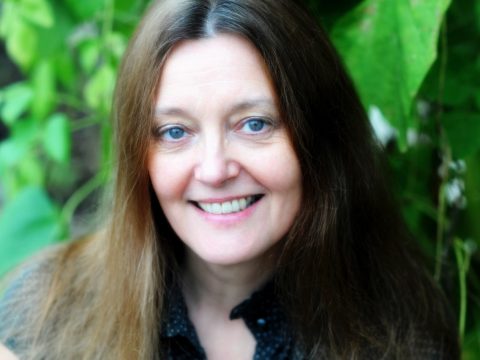
Gerda Stevenson
Gerda Stevenson was born and raised in the Scottish Borders, and trained at RADA, London. She is an actor, singer/song-writer, playwright and poet.
